Around the world, Good Deeds Day partners are showing that schools can be powerful places for young people to experience volunteering, take responsibility for their communities, develop leadership skills, and discover that their actions can make a real difference.
And it doesn’t have to begin with a huge project.
A reading activity, a school garden, a student-led kindness initiative, or a project supporting a local community need can all become starting points for something bigger: stronger relationships, greater belonging, and a culture in which doing good becomes part of everyday school life.
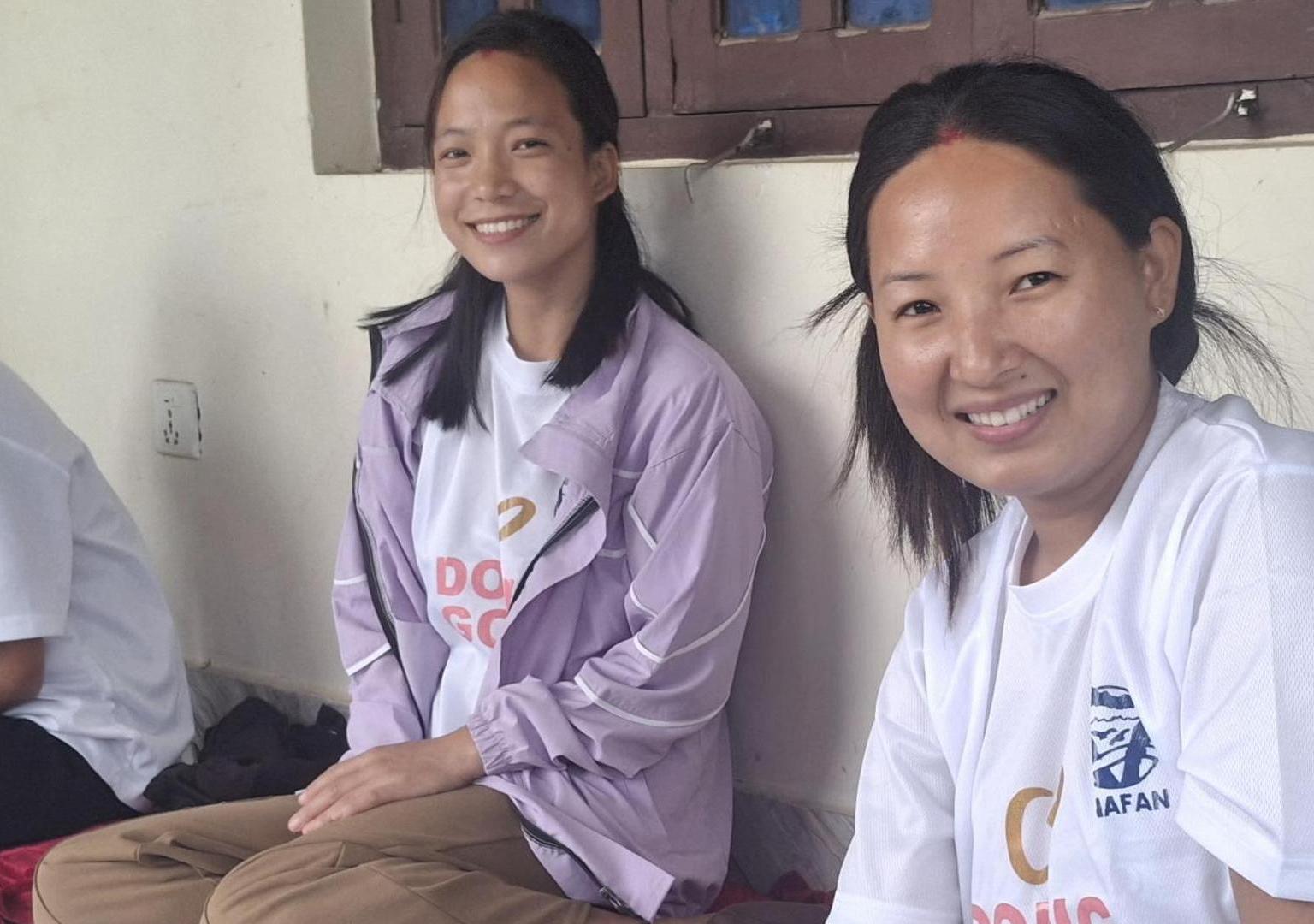
Start by Giving Students a Role
One of the most important shifts schools can make is moving from creating activities for students to creating opportunities with students.
Invite students to identify something they would like to improve in their school or community. What do they care about? Who could benefit? What skills or resources could they contribute?
Students might organize a book collection, welcome new classmates, develop an environmental campaign, mentor younger students, support a community organization, or create their own volunteering project.
Giving young people a meaningful role in planning and decision-making turns volunteering into more than participation. It helps them practice leadership, teamwork, problem-solving, and responsibility.
Make Learning a Good Deed
Education itself can become a powerful space for doing good.
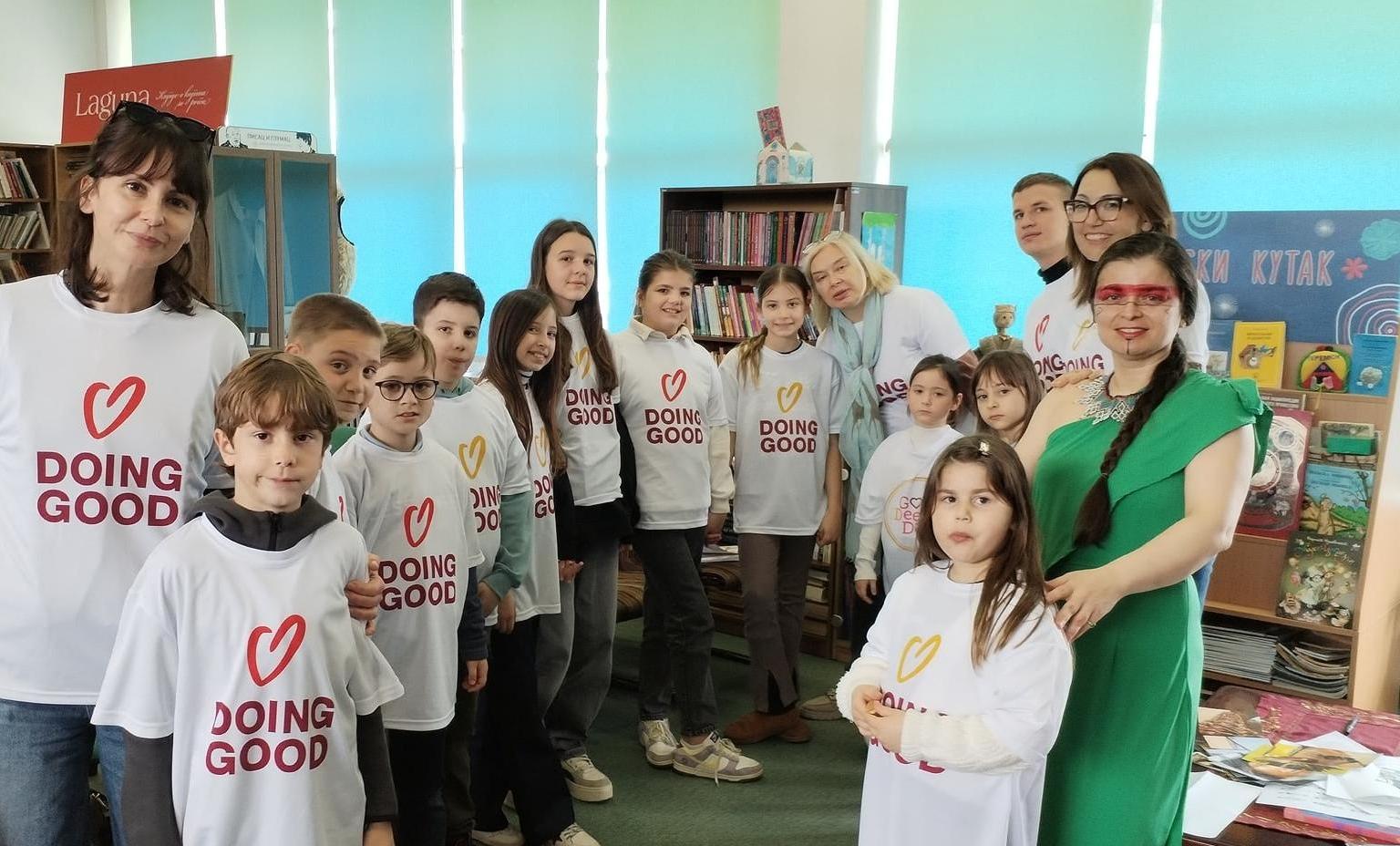
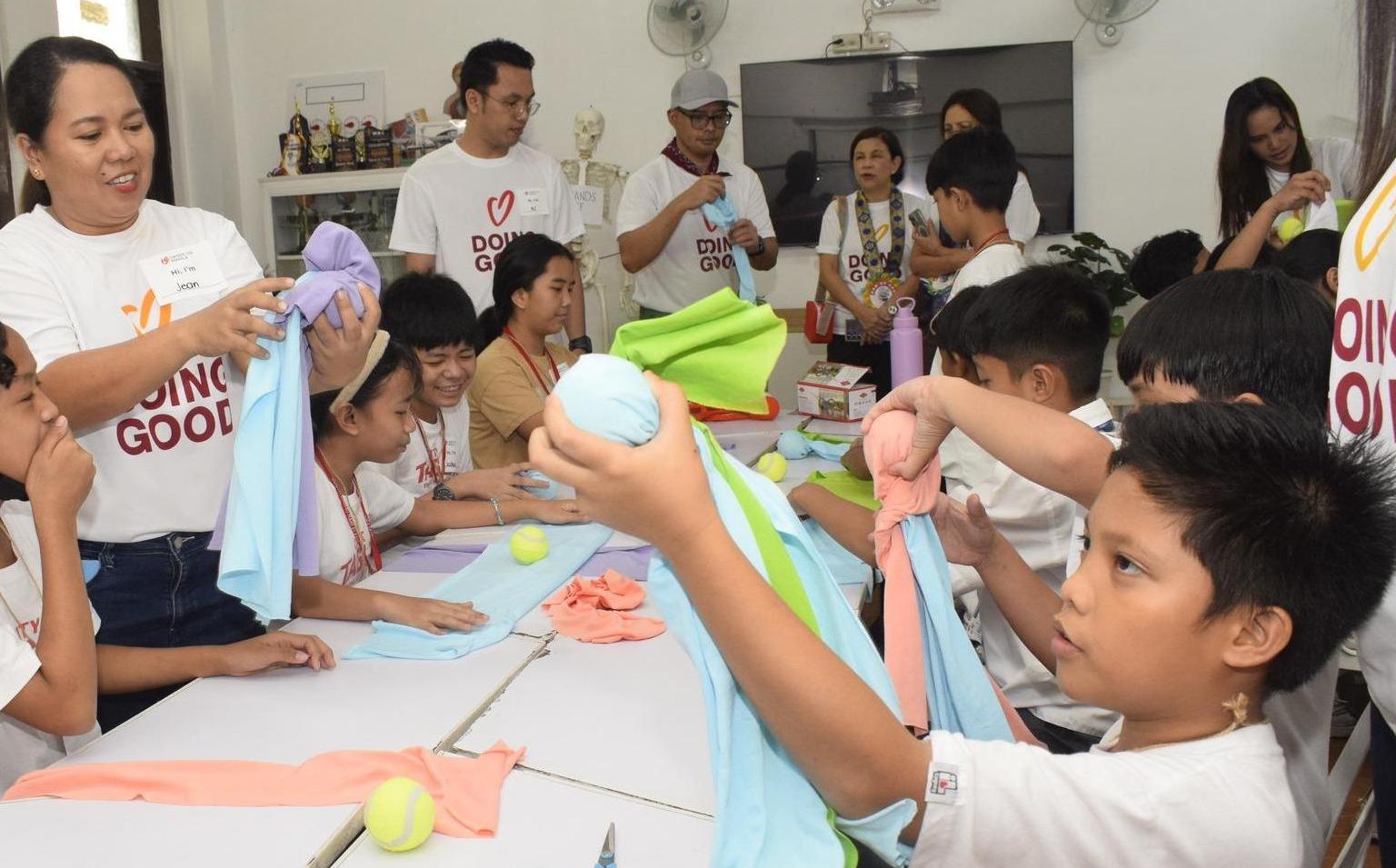
For Good Deeds Day in the Philippines, HandsOn Manila brought its “Library for All: Fostering a Love of Reading” initiative to young learners at Ricardo P. Cruz Sr. Elementary School.
Volunteers helped children discover Filipino stories, strengthen their reading comprehension, and engage with books through interactive activities. The impact continued beyond the activity itself, with children receiving books they could take home and continue reading.
The initiative brought together donated books, schools, nonprofit partners, publishers, and volunteers around a shared goal: helping children build a lasting relationship with reading.
In Honduras, Good Deeds Day Honduras, through its Transforming Education Program, brought that same spirit of creativity and participation into mathematics through the ABP Math Playground, “Where Numbers Play in Two Languages.”
The initiative shows how educational experiences can become more engaging when learning is interactive, collaborative, and connected to the wider goal of helping children develop their skills and confidence.
In Mexico, Good Deeds Day partner Fundación Vive Mejor, together with IENTC, traveled to San Miguel Palmas, Peñamiller, to support students and families with more than school supplies. The initiative was designed to bring companionship, confidence, and new opportunities for children to continue learning.
That distinction matters. Educational support is not only about providing materials. It can also be about helping children feel supported, encouraged, and connected to people who believe in their potential.
Together, these examples are an important reminder that a school volunteering project does not have to sit outside the learning experience. Doing good can strengthen education itself — by expanding access, building confidence, creating connections, and making learning more engaging.
Schools can adapt these ideas by creating reading buddies between older and younger students, organizing book- or school-supply drives around an identified need, developing peer-learning activities, inviting volunteers to share their knowledge and skills, or partnering with community organizations to support students who may face barriers to learning.
Turn the School Grounds into a Learning Space
Environmental action is another natural way to connect volunteering with education.
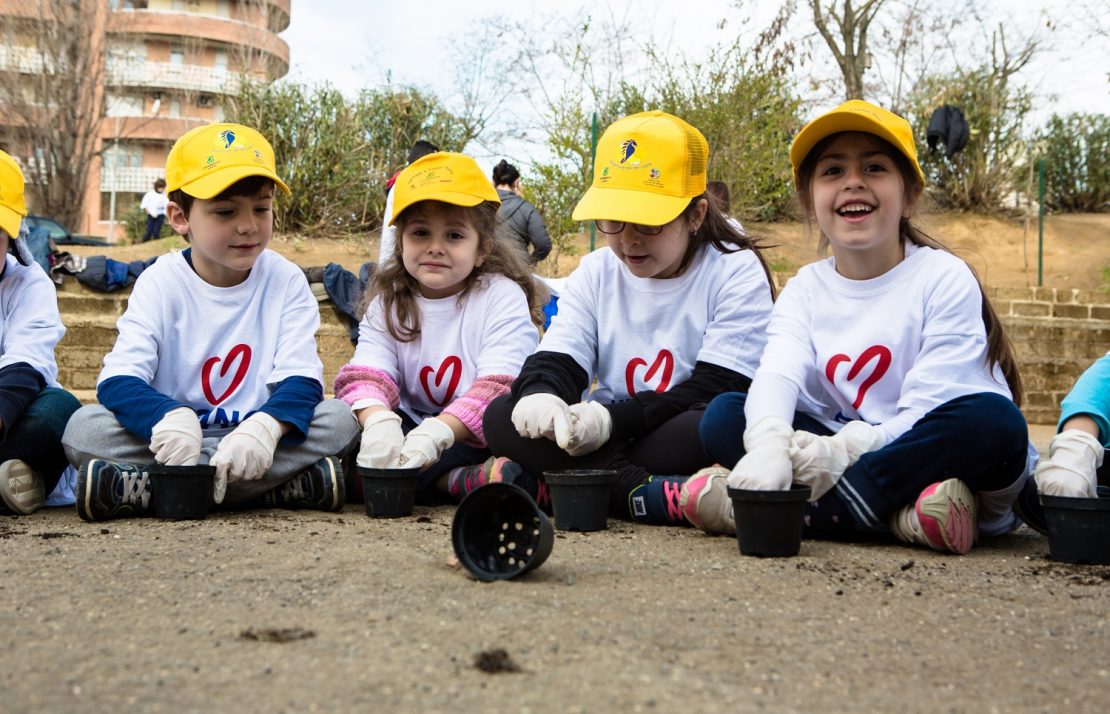
Students can create or maintain a school garden, plant native species, organize a cleanup, reduce waste, or develop recycling and environmental awareness campaigns.
The strongest projects go beyond asking students to complete a task. They help young people understand why the issue matters and give them responsibility for what happens next.
A garden, for example, can become a long-term student project connected to science, sustainability, food, community participation, and care for shared spaces.
That is where a simple activity begins to create ownership.
Connect the Classroom With the Community
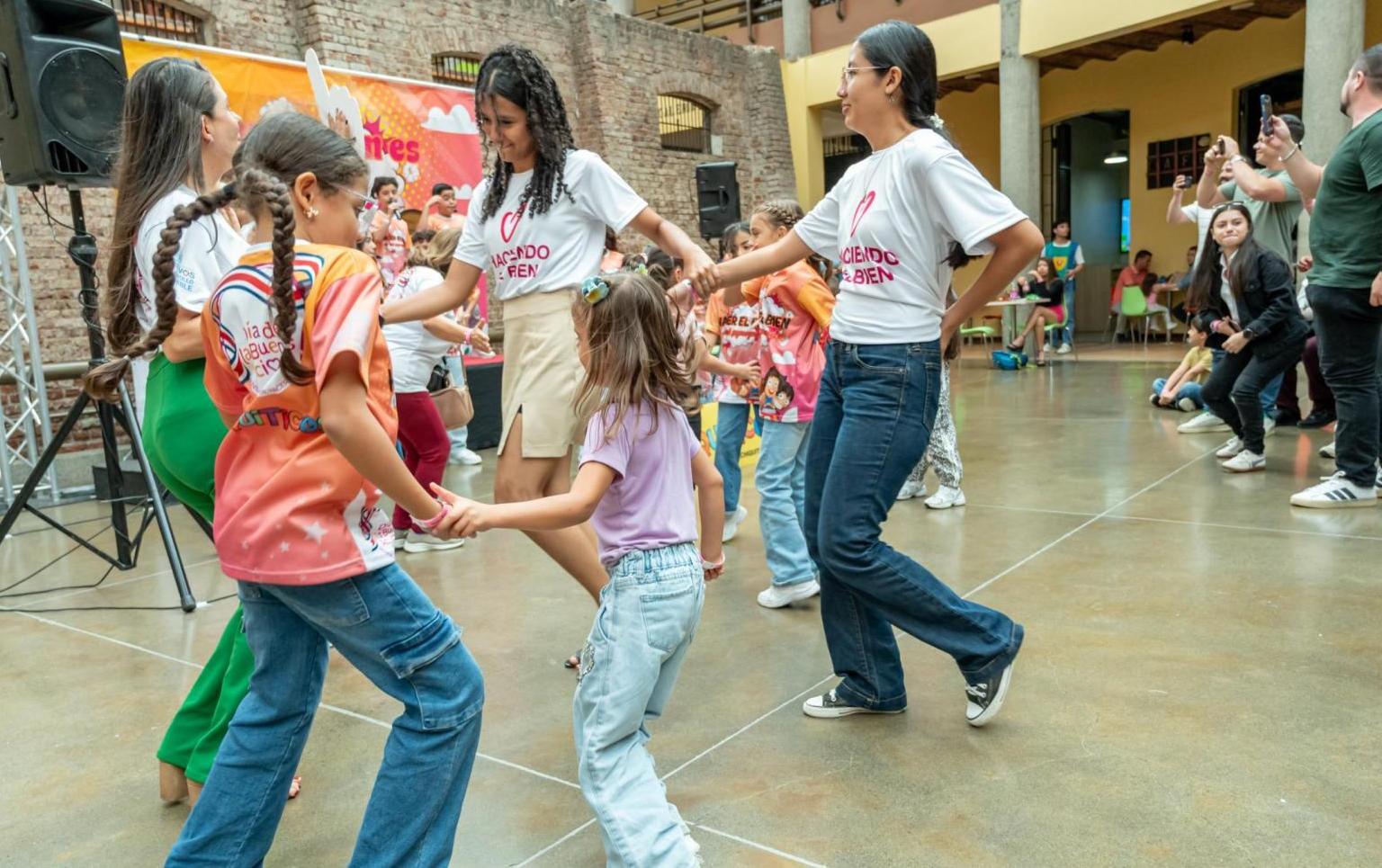
Some of the most meaningful learning happens when students understand that their school is part of a larger community.
Schools can work with local nonprofits, community centers, senior citizens, environmental groups, municipalities, businesses, or other schools to identify real needs students can help address.
Ideas could include:
- Pairing older students with younger students for mentoring or reading.
- Organizing a collection around an identified community need.
- Creating student-led environmental or awareness campaigns.
- Interviewing older community members and preserving their stories.
- Inviting community organizations to introduce students to local challenges.
- Turning a classroom topic into a service-learning project that allows students to apply what they are learning.
These experiences help students see volunteering not simply as “helping someone,” but as participating in the life of their community.
Build a Culture of Doing Good — Not Just a Day of Activities
A kindness day or volunteering event can be an excellent beginning. The bigger opportunity is what happens afterward.
Instead of asking only, “What good deed can we do?”, schools can also ask:
What do we want students to learn from this?
How can students take greater responsibility?
Can this activity continue throughout the year?
Could it strengthen relationships within our school or community?
Who else could become involved?
A student volunteering group, Good Deeds Day club, monthly project, peer-mentoring program, environmental committee, or ongoing partnership with a community organization can turn an isolated activity into a school tradition.
Let Students See Their Impact
Students should also have opportunities to reflect on what changed because of their actions.
That does not always mean counting how many bags were collected or how many volunteers participated.
Ask students:
What did you learn?
Who did you meet?
Did you feel more connected to your classmates or community?
What surprised you?
What would you do differently next time?
What should happen next?
Reflection helps young people understand that volunteering is not only about completing an activity. It is about relationships, responsibility, and the change they are capable of creating together.
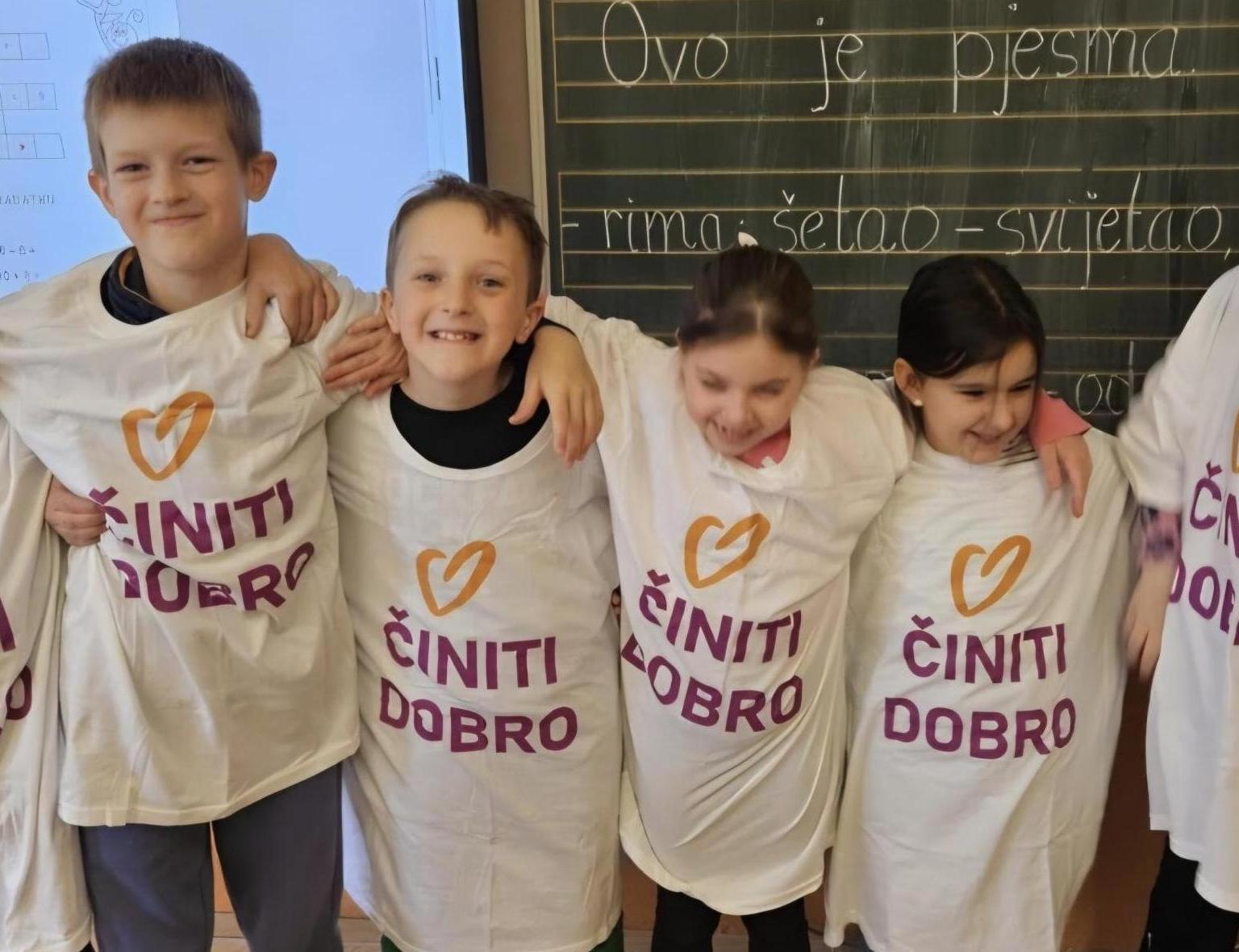
A School Year Filled with Possibility
The beginning of a school year offers schools a chance to establish more than academic expectations. It is an opportunity to create a culture in which students know that their ideas matter, their communities matter, and their actions matter.
Across the Good Deeds Day network, young people are already reading with younger students, caring for their environments, leading projects, supporting their communities, and finding creative ways to turn empathy into action.
The lesson is simple: young people do not have to wait until they grow up to make a difference.
When schools give them the opportunity to lead, volunteer, collaborate, and care for the people and places around them, doing good becomes much more than one activity on the school calendar.
It becomes part of how a school community learns and grows together.